

€19.40
3
30% sparen auf WELEDA Naturkosmetik
Zur Aktion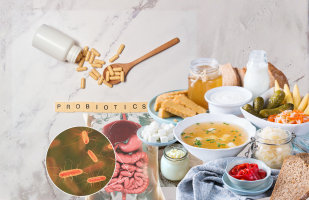
The gut flora, also known as the gut microbiome, is a complex ecosystem of billions of microorganisms living in the human digestive tract. These microorganisms influence digestion, the immune system, metabolism, and even overall well-being. When this delicate balance is disrupted, various health issues can occur. Probiotics can help stabilize the gut flora and support digestive health.
The gut flora refers to all microorganisms that inhabit the human digestive system. Most of them are bacteria, but yeasts and other microorganisms are also present. Several trillion microorganisms live in the gut, with the highest diversity found in the large intestine.
These microorganisms perform important functions. They help digest certain food components, produce vitamins such as vitamin K and several B vitamins, and help prevent harmful microbes from spreading. At the same time, the gut plays a central role in the immune system, as a large portion of immune cells are located there. A balanced gut flora therefore contributes significantly to overall health.
Probiotics are live microorganisms that can provide health benefits when consumed in adequate amounts. They usually consist of bacteria or yeasts that naturally occur in the human gut.
Probiotics are commonly available as capsules, powders, or liquid preparations. They may help support the balance of the gut microbiome and promote microbial diversity in the digestive tract. Fermented foods also contain natural probiotic cultures and can contribute to maintaining gut health.
Different microorganisms are used in probiotic products. Particularly common are lactic acid bacteria from the genus Lactobacillus, including Lactobacillus rhamnosus, Lactobacillus acidophilus, Lactobacillus plantarum, and Lactobacillus casei. Members of the genus Bifidobacterium are also widely used, such as Bifidobacterium lactis, Bifidobacterium longum, and Bifidobacterium bifidum. In addition, the probiotic yeast Saccharomyces boulardii is frequently used. These microorganisms are well studied and naturally occur in the human gut microbiome, which is why they are generally considered safe and well tolerated.
After consumption, probiotic microorganisms reach the digestive tract and interact with the existing gut microbiota. They can help stabilize the microbial balance and inhibit the growth of undesirable microorganisms.
Some bacterial strains produce metabolic substances such as lactic acid that influence the intestinal environment and make it less favorable for harmful microbes. Probiotics may also support the intestinal lining and strengthen the so-called gut barrier. Because the immune system closely interacts with the gut microbiota, a balanced gut flora plays an important role in the body’s natural defenses.
When the composition of the gut microbiome changes, this condition is often referred to as dysbiosis. It can manifest in various ways.
Common symptoms include abdominal pain, cramps, and bloating. Digestive problems such as diarrhea or constipation are also frequently associated with an imbalanced gut flora. Some people also experience fatigue and lack of energy, a more vulnerable immune system, and skin problems such as acne. In addition, mood swings and food intolerances may be linked to changes in the gut microbiome.
Probiotics are usually taken for several weeks, as changes in the gut microbiome do not occur immediately. After antibiotic treatment or during persistent digestive complaints, a period of about four to twelve weeks is often recommended.
A distinction is commonly made between single-strain probiotics, which contain one specific bacterial strain, and multi-strain formulations, which combine several strains. Single-strain products are often used for targeted applications, while multi-strain formulations aim to support the diversity of the gut microbiome.
Dosage also plays an important role. Many probiotic products contain several billion live microorganisms per daily dose so that enough bacteria survive the digestive process and reach the intestine.
Various probiotic products are available in pharmacies. Perenterol contains the yeast strain Saccharomyces boulardii and is commonly used for diarrhea. Mutaflor is based on the bacterial strain Escherichia coli Nissle 1917. Products such as Symbioflor or Omni Biotic combine several probiotic bacterial strains and are often used to support the gut microbiome.
Diet also plays an important role in maintaining a healthy gut microbiome. In particular, dietary fiber serves as food for many beneficial bacteria. These substances, known as prebiotics, promote the growth of helpful microorganisms.
Foods such as whole grains, onions, garlic, chicory, and bananas contain natural prebiotic compounds. Fermented foods like yogurt, kefir, and sauerkraut can also support microbial diversity in the gut.
The gut microbiome influences many processes in the body, from digestion to immune function. When the balance of intestinal bacteria is disrupted, symptoms such as abdominal pain, bloating, diarrhea, or constipation may occur. Fatigue, skin issues, mood changes, and a weakened immune system may also be linked to an imbalanced gut flora.
Probiotics can help stabilize the gut microbiome and support digestive health. Their use may be particularly beneficial after antibiotic treatment or during digestive disturbances.
Probiotics are not only important for digestive health but also for overall well-being. The gut, immune system, metabolism, and mental health are closely interconnected. A balanced gut microbiome can therefore contribute to long-term health and vitality.
A gut restoration program using probiotic bacteria can be a natural way to rebuild microbial balance and support long-term health. Combined with a balanced diet, sufficient fiber intake, and a healthy lifestyle, it can help maintain a stable and resilient gut microbiome.


Do you have any questions?

Always stay up to date
Through our newsletter you will not only be informed regularly but also in detail about innovations and current offers.
The online pharmacy Arzneiprivat in Emmerich is part of the Sonnen-Apotheke and consists of a team of 35 employees, who personally take care of the delivery of your order in order to get the highest possible benefit for you. We know most of our customers personally from telephone conversations, and special questions are answered personally by the pharmacy manager. With our trained specialist staff such as a pharmacist for naturopathy and homeopathy and our beautician Linda Oimann, we stand for natural remedies and natural cosmetics from Dr. Hauschka at a good price and suitable advice. If you have any questions or requests, we will be happy to provide you with information and further tips to stimulate your self-healing powers. We offer a wide range of medicines from all leading manufacturers such as DHU, Kattwiga, Spenglersan, Pascoe, Heel, Hevert Wala and of course Weleda. We also offer products from Combustin with changing offers in addition to the favourable permanent price.
Popular products are Hoggar Night sleeping tablets, Schlafsterne and Sab Simplex drops for flatulence and cramps for your baby.Prescription medicines can also be ordered from us with a valid prescription.
Just have a look in our brand shop or directly in the Speedfinder for the medicine of your choice. And if you don't find what you are looking for - please call us, we will be happy to help you.
Order German medicines in Italian, English, Dutch, Romanian or Polish easily online at arzneiprivat.de
Our Romanian employee Doina, our Polish employees Malgorzata & Katarzyna and our Dutch employee are also happy to help across language barriers... read more
Easy payment


Gratis-Versand ab 50 € Bestellwert

Shop securely


Social Media


If you set up a user account in our shop, you will be guided through the ordering process more quickly, can track your current order process and much more.
RegisterBeratung, Bezugswege und alle in der EU verfügbaren Präparate auf einen Blick.
Beratung, Bezugswege und alle in der EU verfügbaren Präparate auf einen Blick.
Beratung, Bezugswege und alle in der EU verfügbaren Präparate auf einen Blick.
Beratung, Bezugswege und alle in der EU verfügbaren Präparate auf einen Blick.
Beratung, Bezugswege und alle in der EU verfügbaren Präparate auf einen Blick.
Beratung, Bezugswege und alle in der EU verfügbaren Präparate auf einen Blick.
Beratung, Bezugswege und alle in der EU verfügbaren Präparate auf einen Blick.
Beratung, Bezugswege und alle in der EU verfügbaren Präparate auf einen Blick.
Beratung, Bezugswege und alle in der EU verfügbaren Präparate auf einen Blick.
Beratung, Bezugswege und alle in der EU verfügbaren Präparate auf einen Blick.
Beratung, Bezugswege und alle in der EU verfügbaren Präparate auf einen Blick.
Beratung, Bezugswege und alle in der EU verfügbaren Präparate auf einen Blick.
Beratung, Bezugswege und alle in der EU verfügbaren Präparate auf einen Blick.
Beratung, Bezugswege und alle in der EU verfügbaren Präparate auf einen Blick.
Beratung, Bezugswege und alle in der EU verfügbaren Präparate auf einen Blick.
Beratung, Bezugswege und alle in der EU verfügbaren Präparate auf einen Blick.
Beratung, Bezugswege und alle in der EU verfügbaren Präparate auf einen Blick.
Beratung, Bezugswege und alle in der EU verfügbaren Präparate auf einen Blick.
Beratung, Bezugswege und alle in der EU verfügbaren Präparate auf einen Blick.
